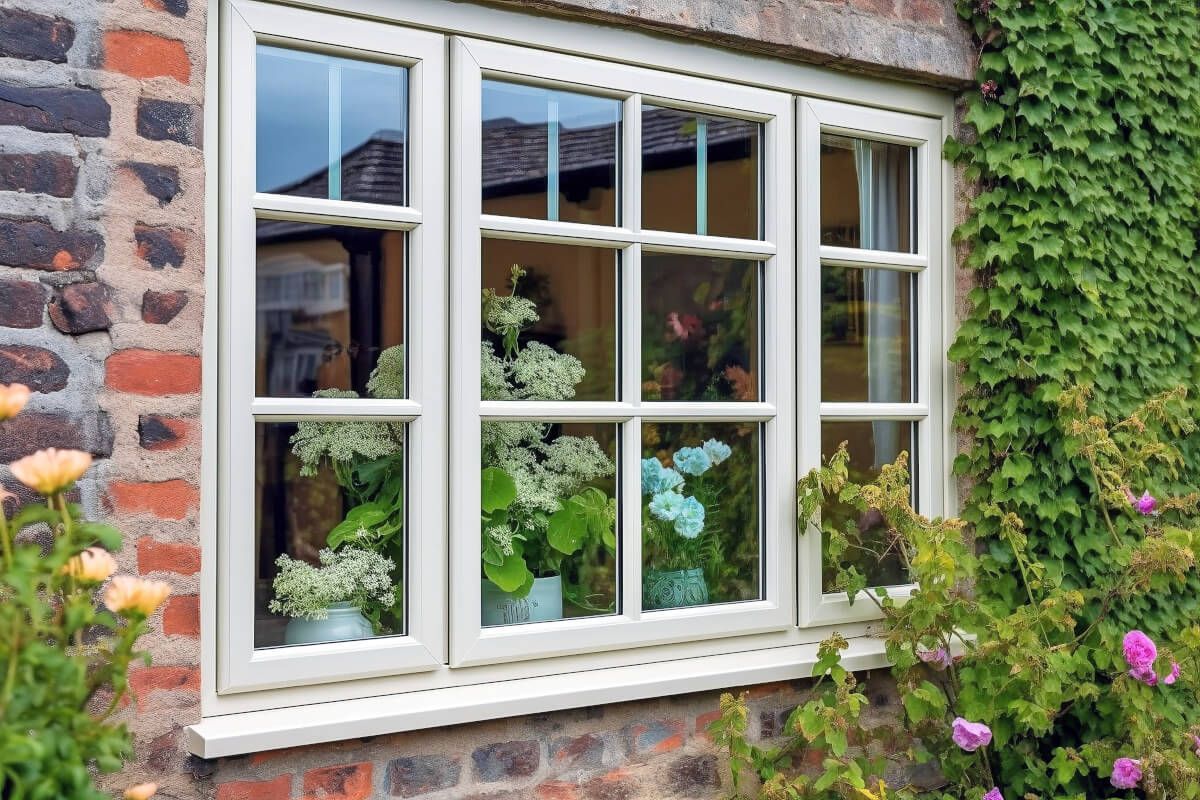
Do I Need Planning Permission for Wood Effect uPVC Windows?
- 02 November 2025
- News

Round-Up
- Planning permission is often needed when changing from timber to standard white uPVC or aluminium, especially in conservation areas
- Wood effect uPVC windows bypass these restrictions by maintaining an authentic timber appearance whilst delivering modern performance
- Listed buildings have strict requirements, but wood-effect alternatives can often satisfy conservation officers
- Material matching is crucial – the closer your new windows resemble existing timber, the fewer planning hurdles you’ll face
- Professional guidance prevents costly mistakes – always consult your local planning authority before making material changes
Replacing timber windows with modern alternatives can quickly become a planning permission nightmare, especially if you live in a conservation area or own a listed building. Many homeowners discover too late that swapping traditional timber windows for standard white uPVC or aluminium often requires planning permission – turning what seemed like a simple upgrade into months of applications, fees and potential rejections.
But what if there was a way to enjoy all the benefits of modern uPVC windows whilst avoiding these planning complications entirely?
Wood effect uPVC windows offer exactly this solution. Using advanced manufacturing techniques, these innovative windows replicate the grain patterns, textures and colours of natural timber perfectly. uPVC (unplasticised polyvinyl chloride) is a durable plastic material that, through sophisticated heat-bonding processes, can fool even conservation officers into thinking they’re looking at genuine timber frames.
This guide will show you exactly when planning permission becomes necessary for window replacements and how wood effect uPVC windows can help you navigate even the strictest heritage requirements whilst upgrading your home’s energy efficiency, security and comfort.
When is planning permission usually required for new windows?
The reality of window replacement permissions is more complex than many homeowners realise, particularly when it comes to changing materials in protected areas.
The material change challenge
Here’s where many homeowners get caught out: if you have existing timber windows and live in a conservation area or own a listed building, replacing them with standard white uPVC or bright aluminium windows almost always requires planning permission or listed building consent.
Planning authorities consider such dramatic material changes as altering the character and appearance of the property – precisely what conservation designations aim to prevent. This means:
- Timber to white uPVC often needs permission in conservation areas
- Traditional windows to modern aluminium typically requires approval
- Any material change that alters the street scene may need consent
- Listed buildings face even stricter requirements for material changes
When replacements fall under permitted development
Window replacements typically qualify as permitted development when they’re genuinely “like-for-like”:
- Same materials – timber replaced with timber-effect finishes
- Matching proportions – maintaining existing window sizes and configurations
- Similar styles – keeping the same opening mechanisms and glazing patterns
- Appropriate colours – using finishes that match the property’s character
This is precisely where wood effect uPVC windows excel – they maintain the visual continuity that planning regulations seek to protect.
Situations always requiring planning permission
Certain changes always need full planning permission, regardless of materials:
New window openings – Creating windows where none existed, particularly on side elevations or upper floors
Enlarging existing windows – Expanding openings or adding new bay windows
Properties with Article 4 directions – Some areas have removed all permitted development rights
Significant style changes – Moving from traditional to ultra-modern designs
How wood effect uPVC windows solve your planning headaches
Wood effect uPVC windows are specifically engineered to overcome the material restrictions that trap many homeowners in lengthy planning processes.
Bypassing material restrictions
The genius of wood effect uPVC lies in its ability to satisfy conservation requirements whilst delivering contemporary performance. Because these windows replicate existing timber appearance so convincingly, they typically qualify as “like-for-like” replacements, meaning:
- No planning applications needed in most cases
- No expensive planning fees or consultant costs
- No risk of conservation officer objections
- No months of waiting for approvals
- No neighbour consultation requirements
Meeting all regulatory requirements
Beyond planning permission, wood effect uPVC windows excel at meeting building regulations:
Thermal performance – Multi-chambered profiles with double glazing exceed modern energy efficiency requirements
Security standards – Multi-point locking systems and robust hardware surpass traditional timber window security
Ventilation compliance – Trickle vents and opening configurations meet fresh air requirements
Fire safety – uPVC frames won’t contribute to fire spread and maintain means of escape requirements
Conservation area acceptance
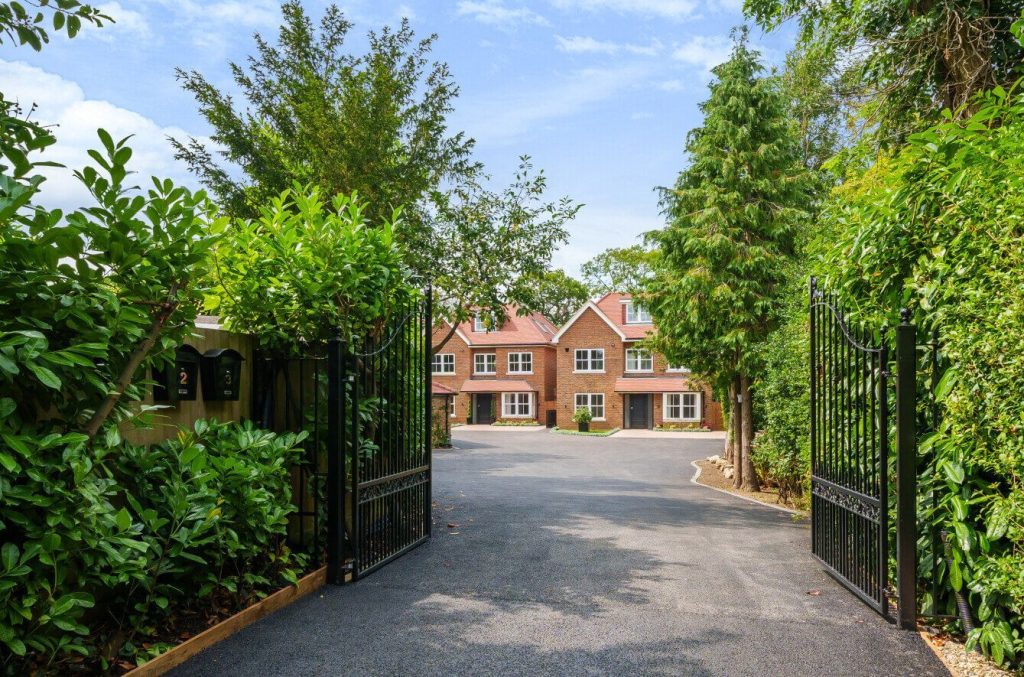
Conservation officers typically assess windows based on their impact on the area’s character. Wood effect uPVC windows succeed because they:
- Maintain traditional street scene appearance
- Preserve historic glazing bar patterns
- Match existing colour schemes and finishes
- Avoid the “modernising” effect of white uPVC
What are the other benefits of wood effect uPVC windows?
Beyond solving planning permission challenges, these innovative windows offer compelling practical advantages.
Elimination of ongoing maintenance
Traditional timber windows demand constant upkeep that wood effect uPVC completely removes:
- No annual painting or staining cycles
- No wood treatment against rot and insects
- No sanding, filling or repairing weathered frames
- Simple soap and water cleaning maintains appearance
Over a typical 25-year lifespan, this saves thousands in maintenance costs.
Superior energy efficiency
Modern wood effect uPVC windows dramatically outperform traditional timber:
- Multi-chambered profiles trap insulating air
- Double glazing with argon gas filling reduces heat loss
- Weather seals eliminate draughts completely
- Warm edge spacer bars prevent thermal bridging
These improvements can reduce heating bills by up to 30% whilst improving year-round comfort.
Added security features
Contemporary security threats require modern solutions:
- Multi-point locking engaging at multiple frame points
- Secure internal beading preventing glass removal
- Robust hardware designed to resist forced entry
- Optional laminated glass for additional protection
Do I need listed building consent for wood effect uPVC windows?
Listed buildings require listed building consent for most alterations, including window changes. However, high-quality wood effect uPVC windows may be acceptable if they preserve the building’s special architectural and historic interest whilst meeting modern performance requirements.
Wood effect uPVC windows from Fine View
We specialise in creating wood effect uPVC windows that satisfy the most demanding conservation requirements whilst delivering exceptional modern performance.
Authentic heritage finishes
Our comprehensive range includes popular conservation-friendly colours:
- Rosewood – rich Victorian-era tones
- Irish Oak – light, natural timber appearance
- English Oak – classic mid-tone finish
- Mahogany – deep, traditional colour
- Chartwell Green – heritage green perfect for period properties
Each finish uses advanced grain replication technology for authentic timber appearance.
Traditional hardware selection
Authenticity extends to every detail:
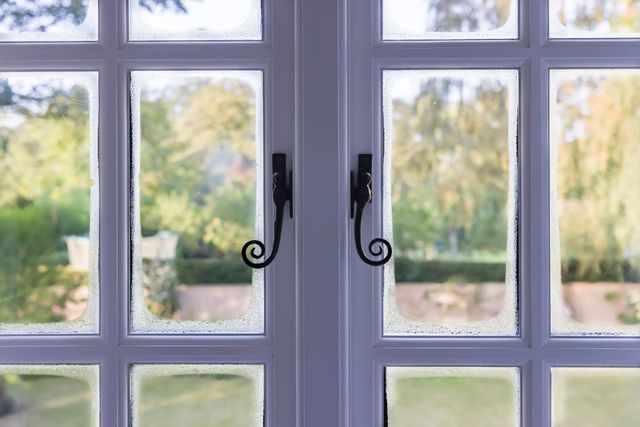
- Monkey tail handles – traditional curved designs for period properties
- Classic espag handles – contemporary functionality with heritage styling
- Multiple finishes – brass, chrome, white and colour-matched options
All hardware includes multi-point locking for maximum security.
Professional installation across England
As approved installers, we work throughout England, specialising in heritage and conservation area properties. Our team understands planning requirements and works sensitively to preserve your home’s character.
Ready for your free consultation? Contact us on 07788282673 or email info@fineviewwindows.co.uk for expert advice tailored to your property’s specific requirements.
Frequently Asked Questions
Can I replace timber windows with uPVC in a conservation area? Standard white uPVC usually requires planning permission, but wood effect uPVC that matches your existing timber appearance typically qualifies as permitted development.
Do leaseholders need permission for window changes? Yes, leaseholders typically need landlord or management company approval before replacing windows. Check your lease terms for specific requirements about alterations.
What’s the difference between planning permission and building regulations? Planning permission concerns visual impact and appropriateness, whilst building regulations ensure safety and energy efficiency. You might avoid planning permission but must always meet building regulations.
Who are Fine View?
Fine View specialises in premium home improvements across England, crafting exceptional windows, doors and extensions using uPVC, aluminium, timber and composite materials.
Our comprehensive services include:
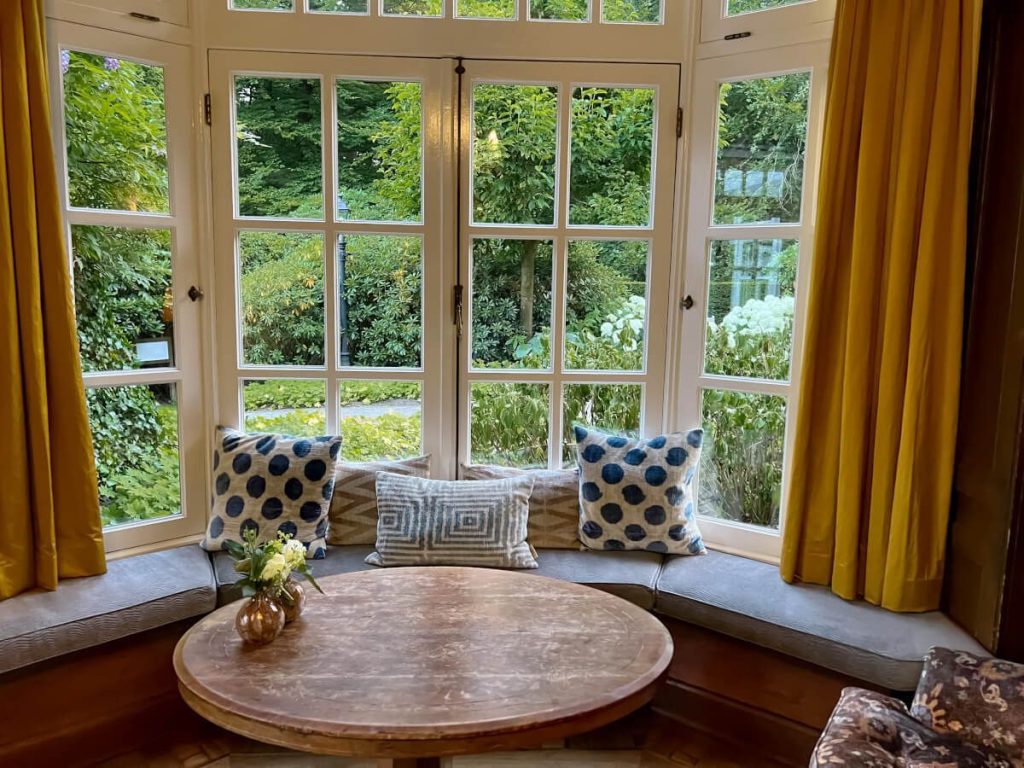
- Windows – timber, uPVC and aluminium in casement, sliding sash and bay configurations
- Doors – composite, uPVC and aluminium entrance doors, plus patio and bi-fold options
- Extensions – orangeries and conservatories in various architectural styles
Quality assurance
Transform your home today – contact us on 07788282673 or info@fineviewwindows.co.uk for your free, no-obligation consultation.